Why End Food Waste?
More than a third of all food produced in South Africa is never eaten. An estimated 45% of food entering the food supply chain is lost or wasted, which is about 10 million tonnes of food annually. Significantly reducing food loss and waste in South Africa has a positive humanitarian and social, environmental and economic impact. Whether you are passionate about people, taking care of the planet, running a successful and sustainable business or all three, get involved and experience the benefits of taking action to prevent and reduce food loss and waste.
For People
South Africa produces sufficient food for all South Africans, yet many people are vulnerable to or are experiencing hunger each day. Statistics South Africa reported that 12.2% of South Africans experienced hunger and 11.6% were vulnerable to hunger in 2021.
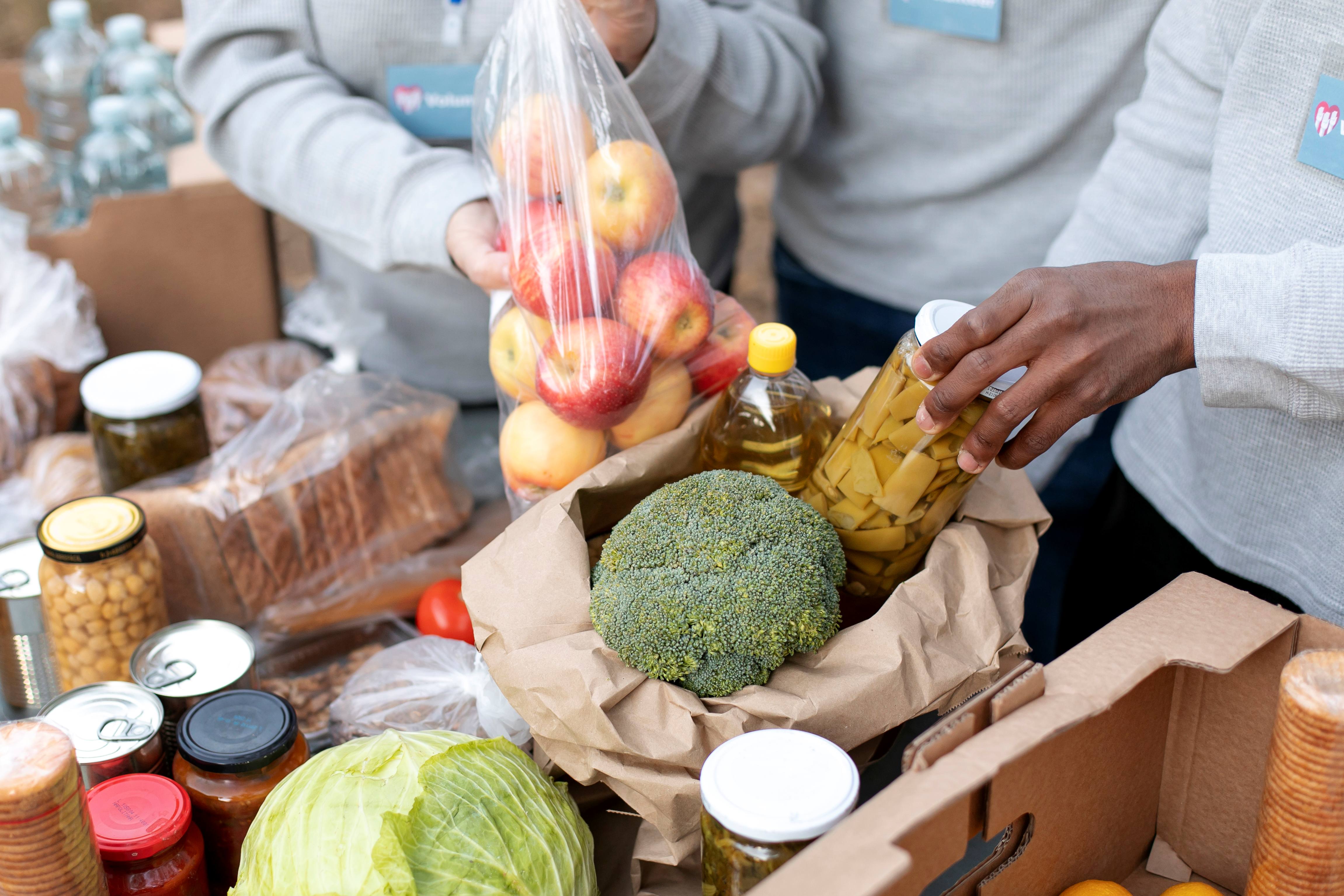
Reducing food waste by redirecting surplus food to vulnerable people can help feed millions of food-insecure South Africans.
By fostering collaborations across the supply chain between food businesses and food rescue, redistribution, other charity and not-for-profit organisations, as well as advocating for policy improvements, we can make a tangible difference to people's lives.

For the Planet
Food waste is a major contributor to climate change, and its environmental impact in South Africa is considerable. When we discard food, we're not just wasting the edible produce itself; we're also squandering all the energy, water and fuel expended in its journey to our plate.
Land used for food production needs various inputs which has an impact on ecosystems. Overuse of land and resources affects natural habitats and biodiversity.
Moreover, food rotting in landfill sites produces methane, a potent greenhouse gas.
By preventing and reducing food loss and waste, we can drastically reduce our environmental impact, preserve natural habitats and biodiversity, and build a sustainable and resilient food system.
For the Economy
Food businesses rely on access to materials such as water, energy and other inputs to operate. If these aren't managed efficiently both within and outside of the business, it is at risk.
Tackling food loss and waste also presents a significant economic opportunity in South Africa. By optimising operations to sell food as intended, minimising costly disposal fees, and exploring avenues to repurpose waste streams into innovative new products, businesses can unlock substantial savings and create new revenue streams.
Businesses that manage resources wisely and take action to prevent and reduce food losses and waste, can contribute to job creation, attract investment and help build a resilient economy.